
Advancing Fundamental Research for a Sustainable, High‑Performance Future

Team Roberts conducts cutting‑edge research at the intersection of energy, environment, and advanced combustion. From carbon capture and clean fuels to propulsion, wastewater treatment, and materials recovery, our work spans the fundamental science that underpins tomorrow’s clean technologies.
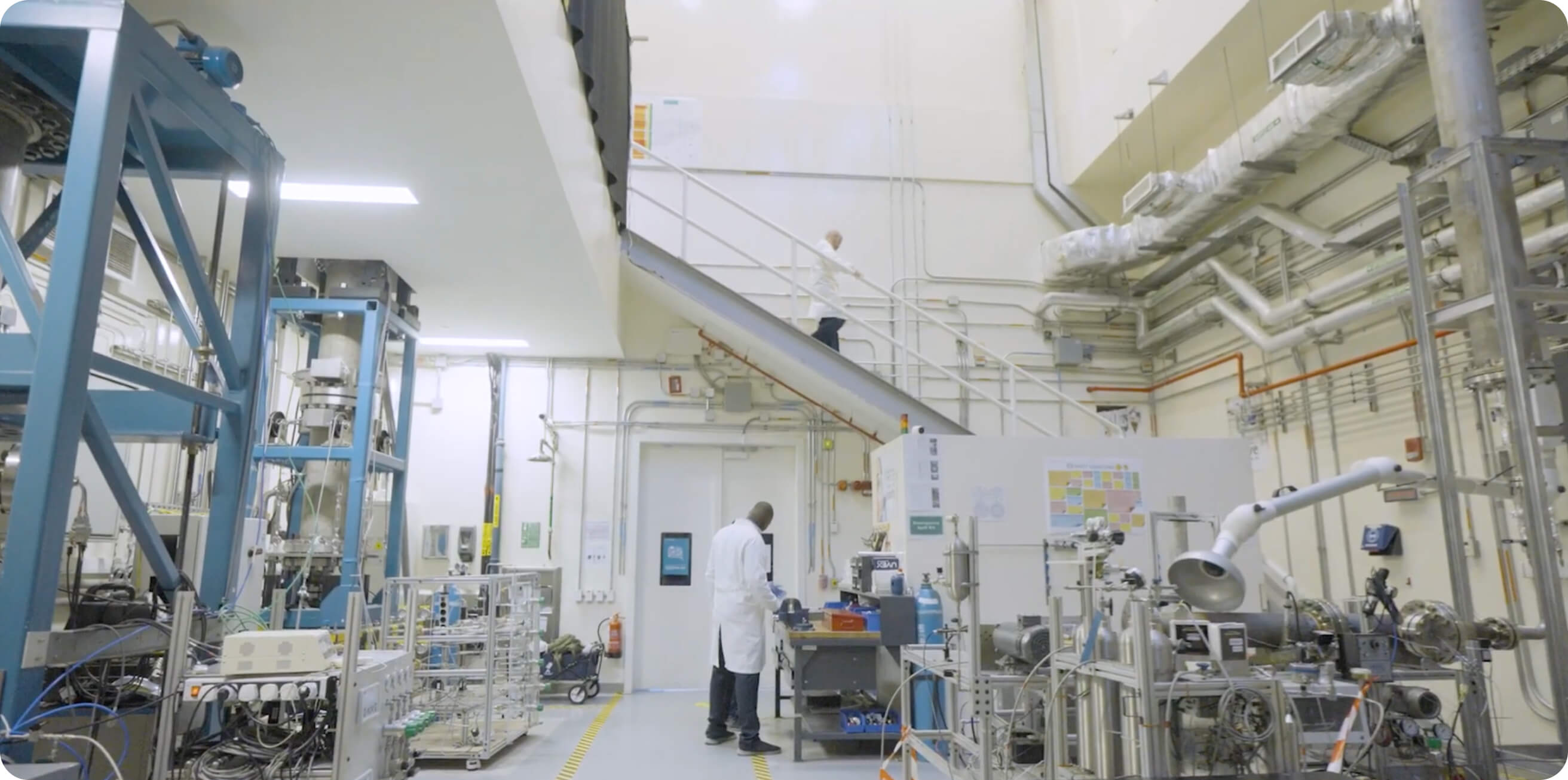
Humanity faces some of the most complex scientific and engineering challenges in history — from reducing greenhouse gas emissions to enabling cleaner fuels, developing advanced propulsion systems, closing the loop on critical materials, and safeguarding water resources. Meeting these challenges requires deep, rigorous fundamental research that pushes the boundaries of what is scientifically possible while opening pathways to real‑world solutions.
At KAUST, Team Roberts brings together multidisciplinary expertise in combustion science, thermodynamics, fluid mechanics, chemical engineering, materials recovery, and environmental technologies. Our group is driven by a simple mission: to transform fundamental insights into scalable innovations that support global sustainability and advance Saudi Arabia’s vision for a cleaner, more prosperous future.
Our research portfolio spans nine core areas — each addressing a critical scientific question with far‑reaching environmental and industrial relevance. Whether we are capturing CO₂ at unprecedented purity, unlocking the potential of green ammonia, decoding soot formation kinetics, or pioneering new pathways for lithium battery recycling, our work reflects a commitment to excellence, collaboration, and impact.

Problem
Industrial facilities emit CO₂ alongside harmful co‑pollutants such as SO₂, NO₂, and particulate matter. Traditional capture technologies often target a single pollutant, require major plant modifications, or produce low‑value outputs.
Opportunity
Saudi Arabia’s path to net‑zero by 2060 demands scalable, cost‑effective emission control solutions. Technologies that simultaneously capture multiple pollutants and deliver high‑purity CO₂ support both decarbonization and the Kingdom’s circular carbon economy.
Solution
Team Roberts has developed Cryogenic Carbon and Sulfur Co‑Capture (CCSC) — a mobile, flexible system capable of capturing 99.9% pure CO₂ along with SO₂, NO₂, and PM from industrial exhausts. Demonstrated at a Heavy Fuel Oil power plant, CCSC integrates seamlessly with existing infrastructure and outperforms conventional single‑pollutant approaches.

Problem
Global dependence on carbon‑intensive fuels continues to drive greenhouse gas emissions. Many alternative fuels present storage, safety, or infrastructure challenges.
Opportunity
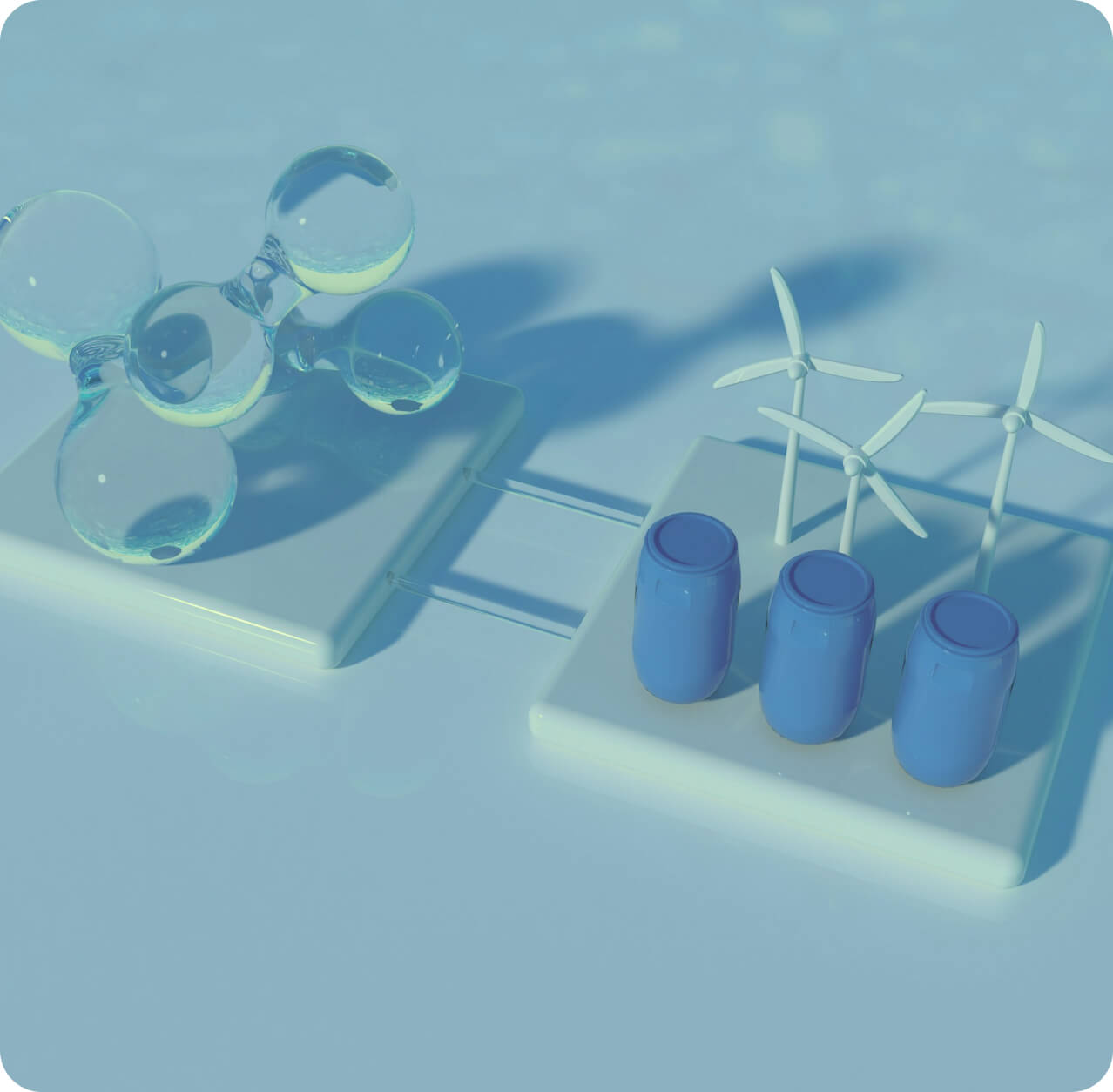
“Green ammonia,” produced using renewable energy, offers a carbon‑free fuel pathway aligned with Saudi Arabia’s investment in green hydrogen and sustainable energy carriers. It is particularly attractive for shipping, power generation, and long‑distance energy transport.
Solution
Team Roberts advances combustion science and fuel system design for ammonia and other green fuels. The group develops technologies that improve efficiency, reduce NOx emissions, and enable safe, reliable use of ammonia as a clean energy vector for future industrial and transport applications.

Problem
Industrial wastewater often contains toxic compounds, heavy metals, and organic contaminants that endanger ecosystems and public health. Many treatment methods are energy‑intensive or unable to meet strict discharge requirements.
Opportunity
With Saudi Arabia expanding its circular water strategies, industries need more efficient treatment solutions that enable water reuse and reduce environmental impact.
Solution
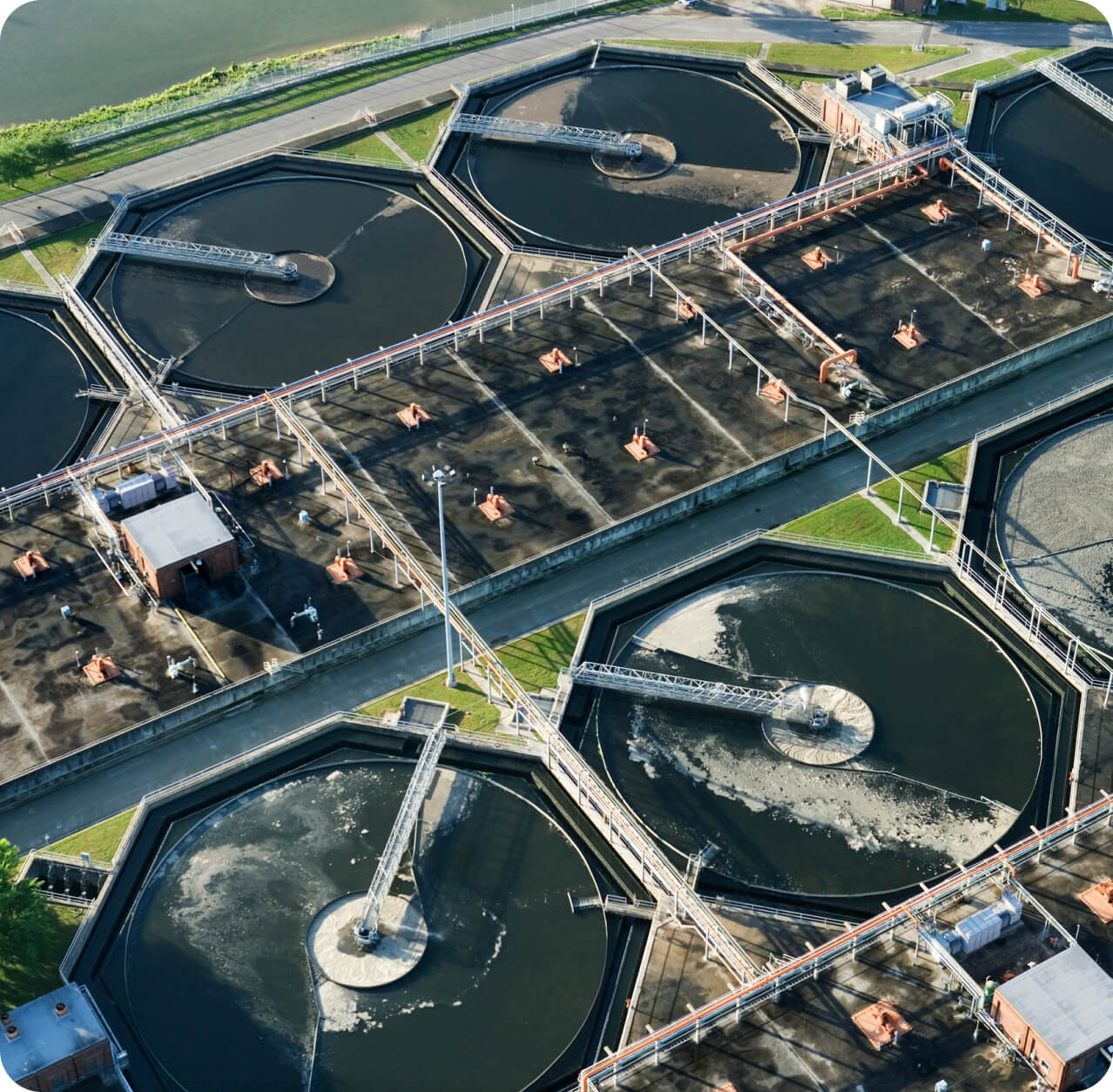
Team Roberts designs advanced physico‑chemical, physical, and biological treatment processes to remove industrial pollutants. The team develops modular, scalable systems capable of treating challenging wastewater streams and supporting sustainable water management across the Kingdom’s industrial sectors.

Problem
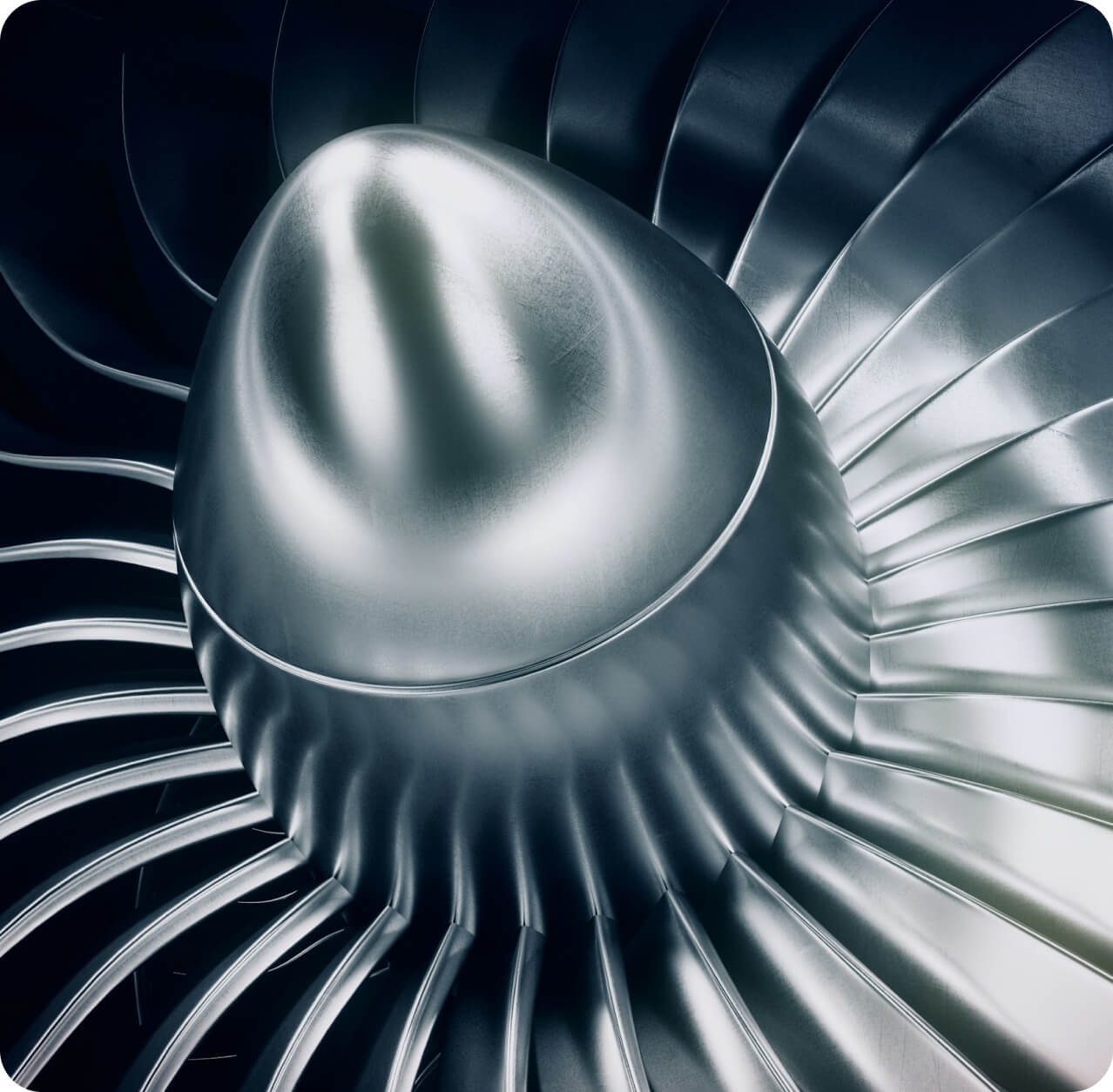
Modern engines, gas turbines, and rocket systems must operate at higher pressures to achieve greater efficiency and performance. However, the physics of combustion at extreme pressures is complex and not fully understood.
Opportunity
KSA’s ambitions in aerospace, advanced manufacturing, and clean energy demand breakthrough insights into high‑pressure combustion to enable safer, cleaner, and more efficient propulsion systems.
Solution
Team Roberts conducts fundamental and applied research into flame behavior, stability, emissions, and heat transfer under high‑pressure conditions. These insights improve the design of next‑generation engines and turbines, enabling higher efficiency with fewer emissions.

Problem
As global battery use grows, so does the volume of end‑of‑life lithium‑ion batteries — which contain critical minerals like lithium, cobalt, and nickel. Poor disposal poses environmental hazards, while mining new materials strains resources.
Opportunity
Scaling clean energy and electrification requires reliable mineral supply chains. Efficient recycling recovers valuable materials, reduces waste, and supports the Kingdom’s circular economy initiatives and battery-manufacturing ambitions.
Solution
Team Roberts is developing advanced methods to recover lithium and other strategic minerals from spent batteries. Their research focuses on safe, efficient, and economically viable recycling processes that reduce environmental impact while securing valuable raw materials.


Problem
Heavy fuel oils contain high sulfur content, leading to SOx emissions that contribute to pollution, acid rain, and health risks. Conventional desulfurization is energy‑intensive and often insufficient for ultra‑low sulfur requirements.
Opportunity
Stricter international regulations and national sustainability goals create demand for cleaner fuels across Saudi Arabia’s energy, shipping, and industrial sectors.
Solution
Team Roberts advances oxidative desulfurization (ODS) to efficiently remove sulfur from heavy fuels. Their approach improves fuel quality, reduces emissions, and provides a viable path toward meeting stringent environmental standards.

Problem
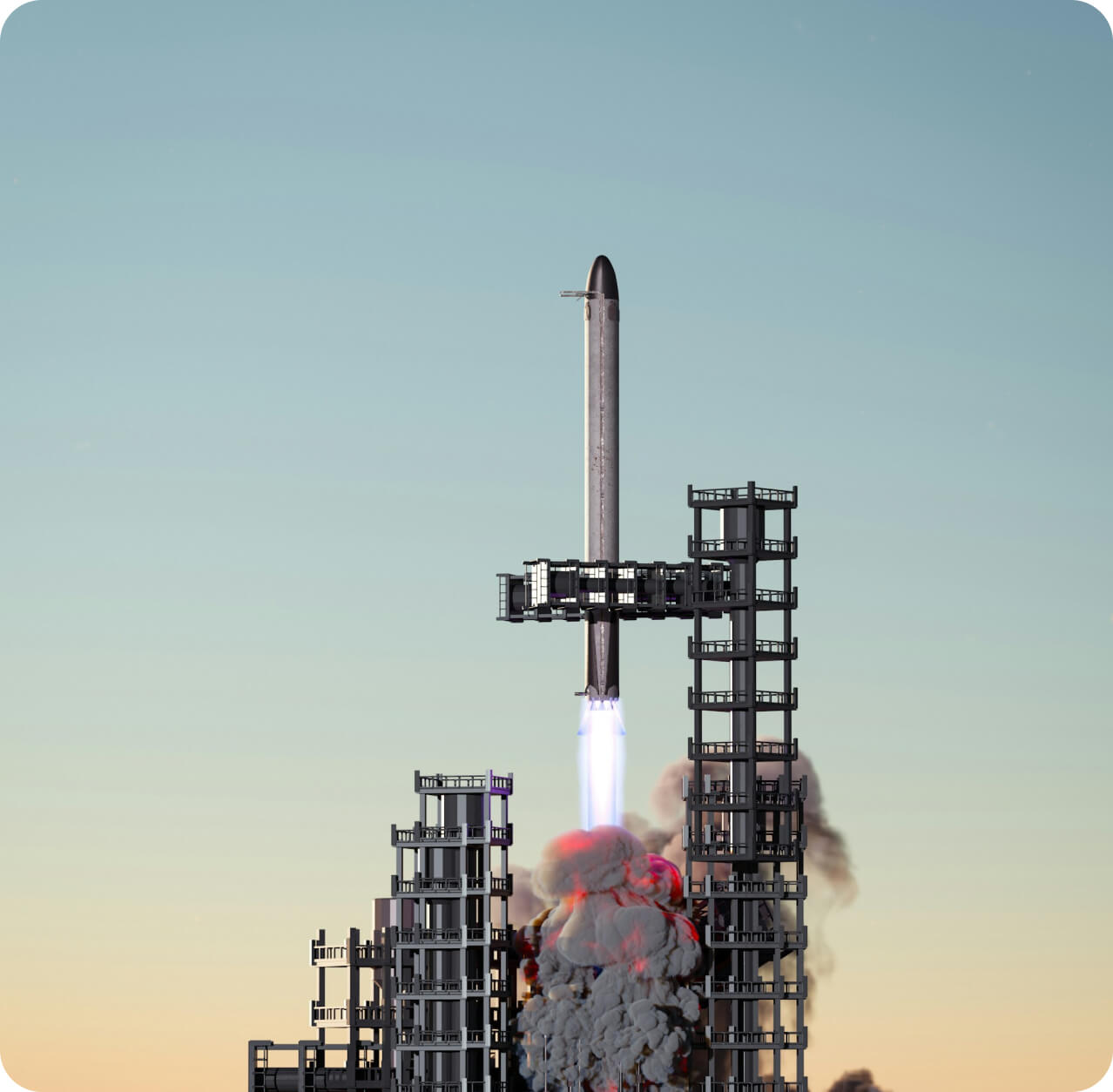
Propulsion systems must deliver higher efficiency, lower emissions, and improved durability. Traditional designs face limitations related to combustion behavior, thermal loads, and material constraints.
Opportunity
Saudi Arabia’s expanding aerospace, space, and clean mobility sectors create opportunities for innovation in advanced propulsion.
Solution
Team Roberts investigates the physics of propulsion, from fluid dynamics to combustion chemistry and materials interactions. Their research supports the development of more efficient, cleaner propulsion systems for applications spanning aviation, space, and marine transport.


Problem
Achieving extreme reaction conditions typically requires high energy input through heat or pressure, limiting the scalability of many industrial processes.
Opportunity
Acoustic cavitation — driven by ultrasound — can generate localized high temperatures and pressures in a highly energy‑efficient manner, opening doors for advanced chemical processing, sterilization, and materials engineering.
Solution
Team Roberts studies bubble formation, growth, collapse, and the resulting sonochemical effects. Their work enables new low‑energy pathways for chemical reactions, wastewater treatment, materials synthesis, and advanced manufacturing.

Problem
Soot from incomplete combustion contributes to air pollution, climate forcing, and health risks. Understanding soot formation and removal at the molecular level remains a fundamental challenge.
Opportunity
Cleaner, more efficient combustion systems support Saudi Arabia’s emissions‑reduction goals while improving engine performance across industrial, transportation, and power sectors.
Solution
Team Roberts investigates the chemistry of soot particle formation, growth, and oxidation — including key species like acetylene and oxidizers such as O₂, OH, CO₂, and H₂O. Their research informs low‑soot burner designs, improved fuels, and cleaner combustion technologies.